Back
Guides
Designing for Accessibility & Usability
Principles of inclusive design
Inclusive design aims to create products and spaces that more people can use without specialized adaptations. This can improve usability for people with and without disabilities.
Consider diverse user needs from the start. Physical, sensory and cognitive abilities vary, so design for a range of contexts and ways of using a product.
Digital accessibility
Voice controls and screen-reader support can help people with visual impairments. Adjustable text sizes and sufficient contrast improve readability for a wider audience.
Use the Web Content Accessibility Guidelines (WCAG) to help make websites and applications accessible to people with different abilities.
Physical environments
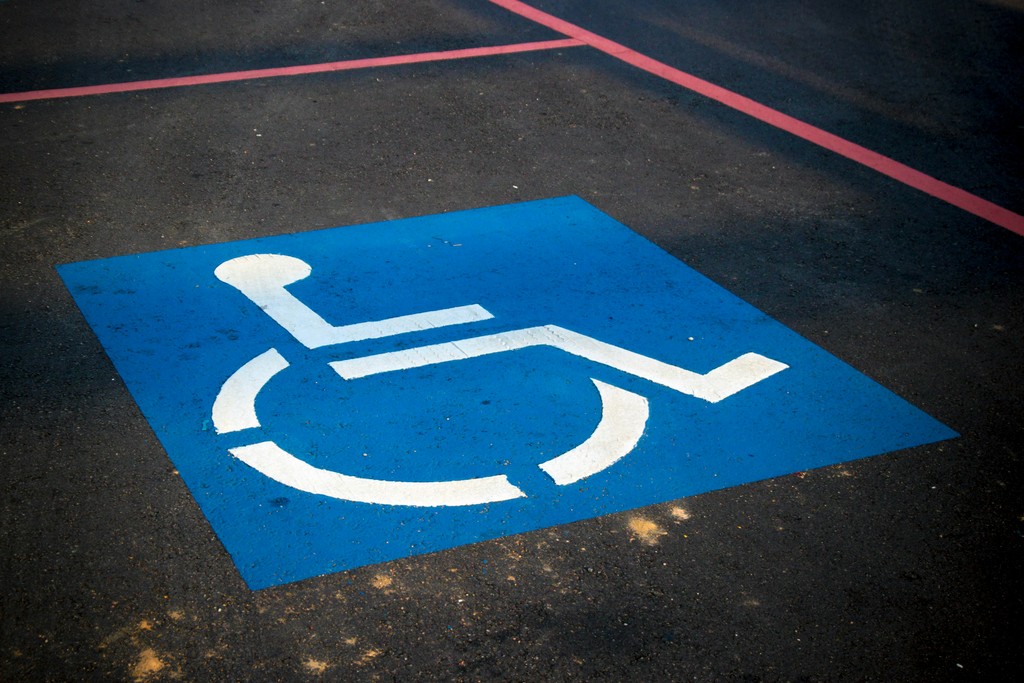
Inclusive design matters in physical spaces too. Ramps, tactile paving and accessible toilets are essential for many people and also help families with strollers and travelers with luggage.
Braille signs and high-contrast wayfinding support people with visual impairments and can make unfamiliar environments easier to navigate.
Technology and user participation
Automated accessibility checks and inclusive design tools can help identify issues early. Combine these tools with testing by people who will use the product.
Include people with disabilities in usability testing. Their feedback reveals barriers in real situations and guides meaningful improvements.
Benefits of inclusive design
Prioritizing inclusive design helps create fairer, more usable environments. It can improve the experience and make a product or service available to more people.
Designs that welcome more people can create a stronger sense of belonging and make spaces easier to navigate.